
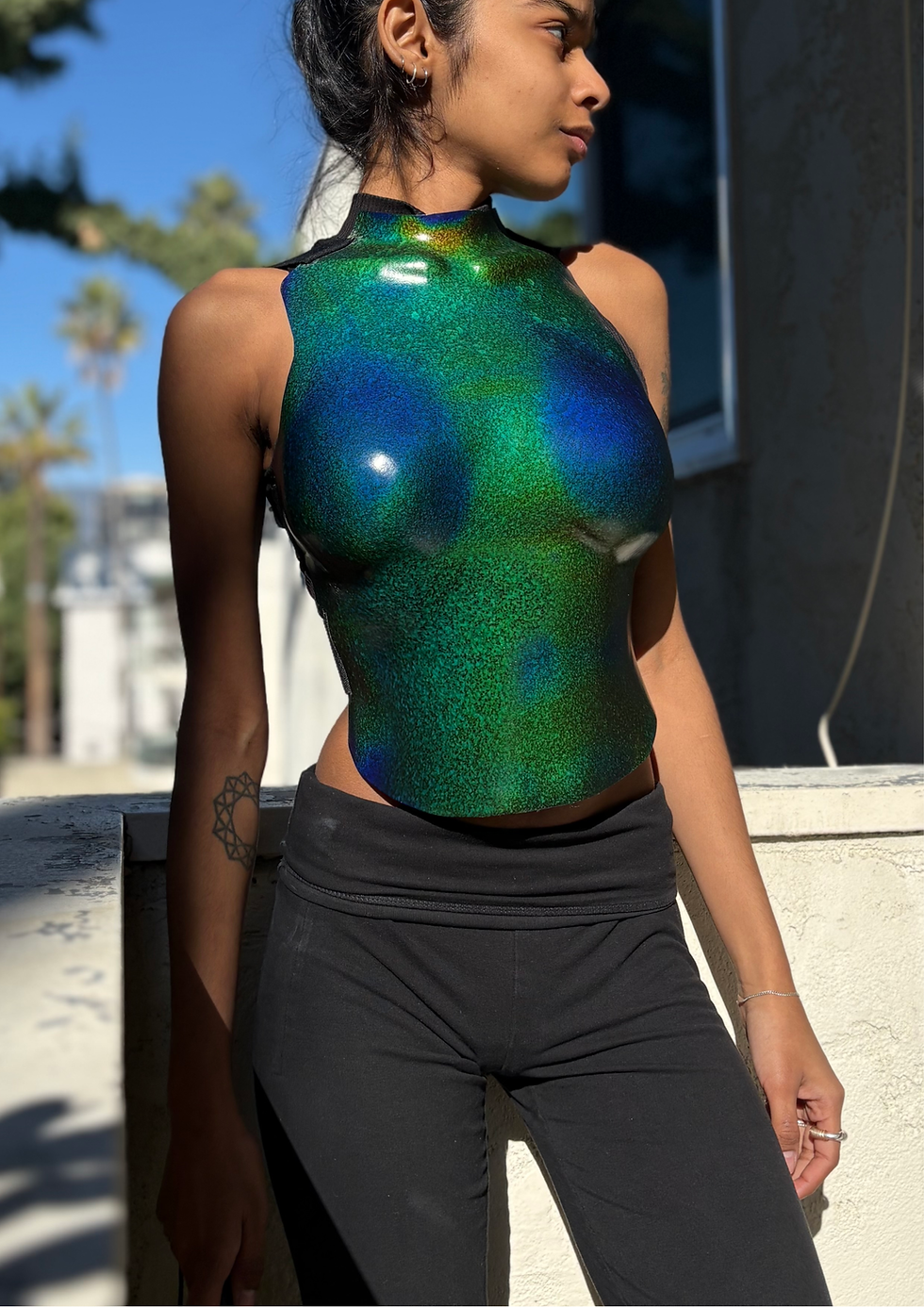
Aurmor
Thermoreactive Wearable
Experimenting with materials in Fashion
Project Focus | Material Science Application
Skills | Research and Development
8 weeks, Summer 2025

Human skin emits varying temperatures that is usually visualized with infrared thermography. Aurmor can show temperature changes in visible light using cholesteric liquid crystals.

Cholesteric Liquid Crystals
It is a state of matter that combines the fluidity of a liquid with the structural order of a crystal. It has a unique helical structure where molecules are arranged in layers.
Architecture
-
Each layer of molecules is slightly rotated relative to the next along an axis known as the director.
-
Rotations of molecules along the director determine the wavelength (color) to be reflected. 1 complete rotation is called pitch.
Short pitch = short wavelength = blue
Long pitch = long wavelength = red


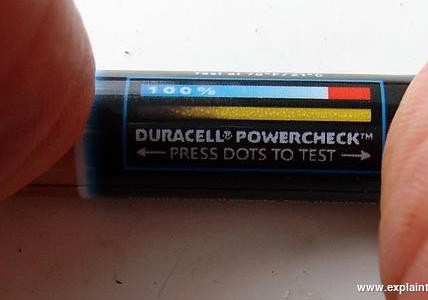


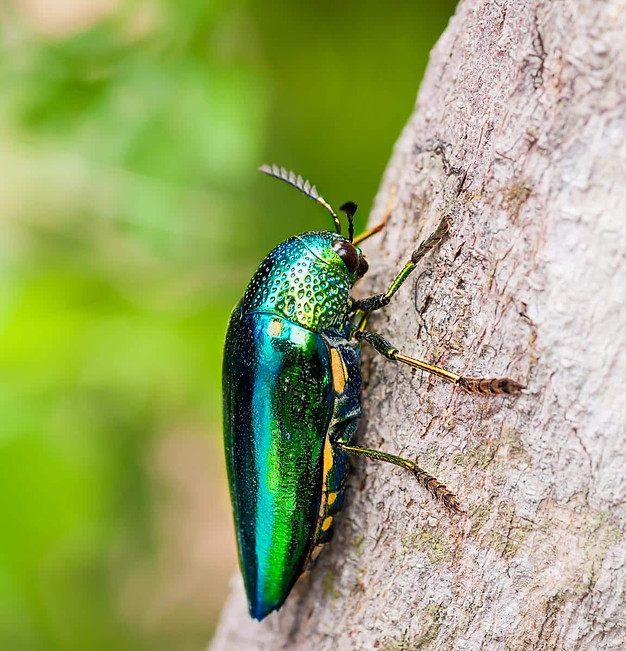
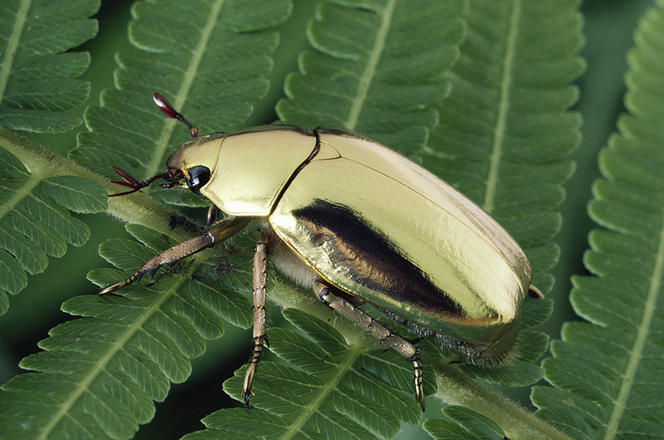
CLCs are used in thermometers, sensors and moods rings due to its unique ability to reflect specific light wavelengths that change based on temperature, pressure, or electric fields.
Many species of beetle naturally display cholesteric liquid crystal structures, giving their shells a metallic iridescence that deters predators.
How it Works
1. Iridescence
When light hits the crystals, the matching wavelength gets reflected.
2. Color Change
Heat causes molecules to twist, changing the pitch.
3. Polarization Filter
Circularly polarized light reflects similar handedness.
_edited.jpg)
Interactive Wearables
.png)
Iris Van Herpen
.png)
Anouk Wipprecht
.png)
Tom Ford
.png)
Issay Miyake
Interactive clothing integrates advanced fabrics and textiles embedded with sensors, microcontrollers, and conductive materials.
Using thermoreactive material on a form fitting shell would respond to the heat generation of a body to produce a range of colors.
The Plan
- Shell to be made of conductive material for heat retention
- UV protective top coat for CLC longevity
- Elastic straps to hold shell close to body

Shell
Prototyping
Plaster Base
What didn't work:
Layers were too thin, made mold flimsy
Next Steps:
Reinforce with more plaster, sand surface to remove texture

Thermoforming
What didn't work:
Tighter curves of bodice made it hard to shape PET
Next Steps:
Target tighter areas first and stretch PET while forming

Slump forming
What didn't work:
Still unable to work PET into tighter curves without puckering and rippling
Next Steps:
Prep for vacuum forming of plaster mold

Vacuum Forming
What didn't work:
Plaster mold too flimsy to withstand pressure of vacuum forming
Next Steps:
3D scan and CNC sturdier mold out of poplar for repeatable shell making

Thermochromic Film
Thermochromic Paint

vs

I tried paneling the shell with the film, but the bodice's curves were too sharp. The film lacked the flexibility to conform, and contorting it "broke" the CLCs in tighter areas.
Painting solved the coverage issues, but the learning curve was steep. Achieving optimal effects and preserving the CLCs long-term required extensive prep and post-application care.

Cholesteric Liquid crystals are sensitive to UV radiation. When exposed, it causes chemical degradation of the molecules and structural distortion of the helix.
Using a UV-resistant top coat helps protect them from radiation, however a solvent-based spray paint can physically dissolve the liquid and muddy the colors. I did an additional layer of a water-based varnish to protect the oil-based thermochromic paint.






Moving Forward
The shell (PETg plastic) was pretty thin and conducted heat a little too well! To achieve really good variation and visibility of full spectrum, Aurmor worked best in colder temperatures as my body heat kept the shell warm evenly indoors.
Next time:
- Use a thicker material to make the shell
(Maybe worbla?)
OR
- Line plastic with fabric on the inside to absorb some heat, and provide better wear experience.
Previous Project